Book Reading Logo Vector: A Guide for Educational and Literary Branding
In the visual landscape of education, publishing, and literary services, imagery plays a pivotal role in communicating values instantly. A Book Reading Logo Vector serves as a foundational graphic element for institutions and businesses aiming to project an image of knowledge, accessibility, and intellectual growth. Unlike raster images, vector graphics offer scalability and flexibility, making them essential for modern design applications ranging from mobile app icons to large-scale university banners.
This article explores the utility of book-themed vector illustrations, examining why they remain a popular choice for designers and decision-makers. It evaluates the benefits of using such symbols, discusses practical considerations for implementation, and helps readers determine if this design approach aligns with their specific branding goals.
Understanding the Appeal of Book-Centric Imagery
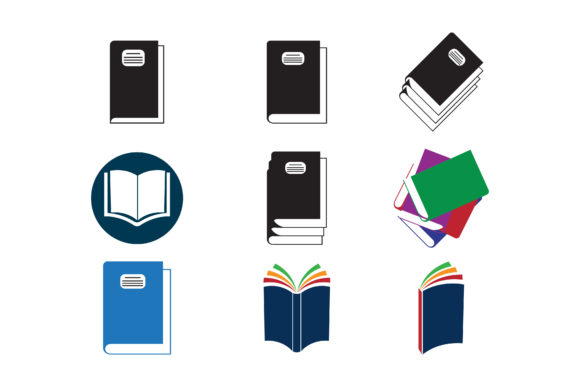
The book is a universal symbol of learning, literature, and information. When integrated into a logo or icon set, it immediately signals to the audience that the entity is involved in education, study, or the dissemination of knowledge. A Book Reading Logo Vector typically features stylized representations of open pages, hands holding textbooks, or abstract shapes suggesting the act of reading. These elements are often isolated on a white background to ensure versatility across various media.
For schools, universities, and bookstores, the primary attraction lies in clarity. A well-designed vector sign eliminates ambiguity. Whether depicting a happy child engaged in studying or a minimalist abstract page turn, the imagery connects directly with core concepts like literacy, academic success, and personal development. This direct association reduces the cognitive load for viewers, allowing them to understand the nature of the business or institution at a glance.
Benefits of Vector Formats in Educational Design
Choosing a vector format over traditional pixel-based images offers distinct advantages for branding consistency. Vectors are mathematically defined paths, meaning they can be scaled infinitely without losing quality. This is crucial for organizations that need their logo to look sharp on both a small website favicon and a large exterior sign.
- Scalability: Maintain crisp edges and clean lines regardless of size, ensuring professional presentation across all platforms.
- Editability: Designers can easily adjust colors, shapes, and proportions to match specific brand guidelines or seasonal campaigns.
- File Efficiency: Vector files are often smaller in size compared to high-resolution raster images, improving web loading speeds and user experience.
- Versatility: Suitable for diverse applications, including print materials like textbooks and paper flyers, as well as digital interfaces for e-learning platforms.
Furthermore, the abstract nature of many vector templates allows for creative interpretation. A designer might use simple geometric shapes to represent a book, creating a modern, tech-forward aesthetic suitable for online learning platforms. Alternatively, a more detailed illustration featuring a student or a hand turning a page can evoke warmth and tradition, appealing to private schools or community libraries.
Evaluating Design Elements and Symbolism
When selecting or commissioning a Book Reading Logo Vector, it is important to consider the specific demographic and message. Different design elements convey different tones. For instance, imagery featuring young children, boys, or girls studying often appeals to elementary schools, daycare centers, and children’s bookstores. These designs tend to use brighter colors and softer lines to create a welcoming, safe, and happy atmosphere.
In contrast, logos targeting higher education or professional development may opt for more austere, minimalist symbols. An open book icon combined with clean typography suggests seriousness, authority, and academic rigor. The use of negative space and abstract forms can also imply innovation, suggesting that the institution is forward-thinking and adaptable to new methods of learning.
The inclusion of human elements, such as a hand holding a book or a silhouette of a person reading, adds a layer of relatability. It shifts the focus from the object (the book) to the action (learning). This can be particularly effective for tutoring services, coaching programs, or community outreach initiatives where personal engagement is a key selling point.
Practical Considerations and Tradeoffs
While vector graphics offer numerous benefits, there are tradeoffs to consider. One common challenge is oversaturation. Because books are such common symbols in education, many logos can look generic if not executed with sufficient creativity. Relying solely on standard clip-art style illustrations may fail to differentiate a brand in a competitive market. To mitigate this, designers should focus on unique compositional choices, custom typography, or distinctive color palettes that reflect the specific identity of the organization.
Another consideration is cultural relevance. While the open book is widely recognized, the style of illustration matters. A design that feels too juvenile may undermine the credibility of a university, while a overly complex graphic may confuse younger audiences. Balancing simplicity with meaningful detail is key. Additionally, ensuring that the logo works in monochrome is essential for practical applications like stamping, embossing, or single-color printing on merchandise.
When to Choose a Book-Themed Vector Logo
A Book Reading Logo Vector is a strong fit for entities whose core mission revolves around literacy, education, or information distribution. This includes:
- Educational Institutions: From preschools to universities, where the primary product is knowledge transfer.
- Publishing Houses and Bookstores: Where the physical or digital book is the central commodity.
- E-Learning Platforms: Where digital content replaces traditional textbooks, but the concept of structured learning remains.
- Libraries and Community Centers: Where access to information and community study spaces are provided.
In these contexts, the symbol acts as a shorthand for trust and expertise. It reassures parents, students, and customers that the organization is dedicated to intellectual growth.
Alternatives and Strategic Decisions
However, there are situations where alternatives may be worth considering. If an educational technology company focuses heavily on gamification, virtual reality, or interactive media, a traditional book icon might feel outdated. In such cases, symbols representing connectivity, brains, lightbulbs, or digital nodes might better communicate innovation and interactivity. Similarly, tutoring services that emphasize mentorship might benefit from icons depicting dialogue bubbles or connected people rather than static objects.
Decision-makers should evaluate their long-term brand trajectory. If the goal is to position the brand as a modern disruptor in the education sector, a highly abstract or metaphorical logo might be more effective than a literal representation of a book. Conversely, if the goal is to emphasize tradition, stability, and classic values, a traditional book illustration remains a powerful and appropriate choice.
Ultimately, the effectiveness of a Book Reading Logo Vector depends on its execution and alignment with broader brand strategy. By carefully considering the target audience, medium of application, and competitive landscape, organizations can leverage this timeless symbol to create a memorable and impactful visual identity. Whether through a simple icon or a complex illustration, the goal remains the same: to visually articulate the value of learning and the joy of discovery.