Cultivating Curiosity: The Educational Power of Early Gardening
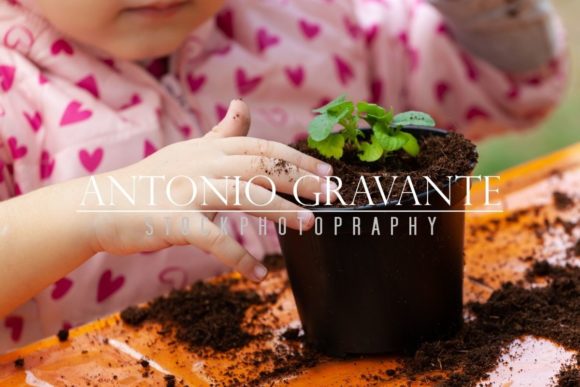
There is a profound simplicity in watching small hands interact with the earth. A Close-up View of Toddler Child engaging with soil offers more than just a charming visual; it represents a critical developmental milestone where sensory exploration meets cognitive growth. When we observe a young child planting a beet seedling, we are witnessing the intersection of biology, motor skill development, and environmental stewardship. This act, seemingly minor in the grand scheme of agriculture, lays the foundational stones for a lifetime of healthy habits and ecological awareness.
In modern educational settings, the integration of nature-based learning has shifted from an optional extracurricular activity to a core component of early childhood development. Schools across various districts are increasingly adopting didactic botany workshops, recognizing that the classroom extends far beyond four walls. These programs utilize practical, hands-on experiences to teach complex concepts through simple actions. The image of a toddler carefully placing a young plant into fertile ground serves as a powerful symbol for these initiatives, illustrating how even the youngest learners can contribute to and understand the cycles of life.
The Sensory Classroom: Why Soil Matters
For a toddler, the world is primarily understood through touch, smell, and sight. Fertile soil provides a rich, multi-sensory environment that plastic toys simply cannot replicate. The texture of damp earth, the earthy scent of organic matter, and the vibrant green of a beet seedling create a neural tapestry that enhances brain development. When educators facilitate these moments, they are not merely teaching gardening; they are facilitating sensory integration.
A Close-up View of Toddler Child focusing intently on a seedling highlights the intense concentration required for such tasks. This focus is crucial for developing attention spans and patience. Unlike digital interfaces that provide instant gratification, gardening requires waiting, observing, and nurturing. Children learn that results are not immediate but are the product of consistent care. This lesson in delayed gratification is invaluable in an era dominated by rapid-fire media consumption.
- Tactile Development: Manipulating soil strengthens fine motor skills and hand-eye coordination.
- Sensory Awareness: Exposure to natural textures reduces sensory defensiveness in some children.
- Emotional Regulation: The calming nature of green spaces helps lower stress and anxiety levels in young learners.
Didactic Botany in Modern Schools
The term "didactic botany" might sound academic, but in practice, it is deeply playful and intuitive. In school flyers and project descriptions, you will often see images of children with dirty knees and bright smiles, holding trowels or watering cans. These visuals are not just for marketing; they represent a pedagogical shift towards experiential learning. Teachers use gardening to explain mathematics through measuring plant growth, language arts through descriptive writing about nature, and science through understanding photosynthesis and life cycles.
When a child plants a beet seedling, they are participating in a scientific experiment. They observe the initial state of the plant, hypothesize about its needs, and monitor changes over time. This process mirrors the scientific method, introducing critical thinking skills at an age when curiosity is at its peak. The Close-up view of toddler child planting young beet seedling into fertile soil captures this precise moment of inquiry and action. It is a snapshot of a young mind making connections between cause and effect.
Furthermore, these workshops foster a sense of community and responsibility. Gardening is rarely a solitary activity in schools. Children work together to prepare beds, share tools, and celebrate harvests. This collaborative environment teaches social skills such as sharing, communication, and teamwork. The shared goal of growing food creates a bond among students that transcends typical playground dynamics.
Practical Applications for Parents and Educators
Integrating gardening into daily routines does not require a large farm or extensive resources. Even small-scale projects can yield significant educational benefits. For parents looking to replicate the school experience at home, starting with hardy plants like beets, radishes, or lettuce is recommended. These crops grow quickly, providing visible results that keep children engaged.
When setting up a gardening activity, consider the following practical steps:
- Prepare the Space: Ensure the soil is safe and free from harmful chemicals. Raised beds or container gardens are ideal for controlling soil quality and accessibility for small children.
- Choose Appropriate Tools: Use child-sized tools that are easy to grip. This empowers the child to perform tasks independently, boosting confidence.
- Guide, Don’t Dictate: Allow the child to explore. If they want to dig a hole in the wrong spot, let them learn from the experience. Guidance should be supportive rather than corrective.
- Document the Process: Take photos, such as a Close-up View of Toddler Child interacting with the plants, to create a visual journal. This helps reinforce memory and provides a tangible record of their efforts.
These activities are not limited to spring and summer. Indoor herb gardens or window-box planters can extend the learning experience year-round. The key is consistency and enthusiasm. When adults show genuine interest in the process, children are more likely to engage deeply.
The Role of Visual Documentation in Agriculture and Education
High-quality imagery plays a crucial role in promoting these educational initiatives. A JPEG file at 300dpi, capturing a Close-up view of toddler child planting young beet seedling into fertile soil, is a versatile asset for various stakeholders. For agriculture news outlets, such images humanize the industry, connecting consumers with the origins of their food. For gardening articles, they provide relatable content that encourages readers to start their own projects.
Schools use these visuals in flyers and newsletters to communicate their values to parents. A photo of a child engaged in nature signals a commitment to holistic education. Hobbyists and lifestyle bloggers find such images appealing because they evoke nostalgia and warmth. The high resolution ensures that the details—the texture of the leaves, the grain of the soil, the expression on the child’s face—are clear and impactful.
Moreover, these images serve as advocacy tools. They highlight the importance of preserving green spaces and integrating nature into urban environments. By showcasing the joy and learning that occur in gardens, photographers and educators can influence policy decisions regarding school curricula and community planning.
Long-Term Benefits of Early Nature Exposure
The impact of early gardening experiences extends well beyond childhood. Studies suggest that children who participate in nature-based activities are more likely to maintain healthy eating habits as adults. Having grown their own vegetables, they develop a preference for fresh, whole foods. This connection to food sources also fosters a deeper appreciation for the labor involved in agriculture, potentially leading to more sustainable consumer choices.
Additionally, early exposure to nature builds environmental literacy. Children who understand how plants grow are better equipped to comprehend broader ecological issues such as climate change, biodiversity loss, and water conservation. They become stewards of the environment, motivated to protect the natural world they have learned to love.
The Close-up View of Toddler Child is not just a photograph; it is a testament to the potential of every young learner. It reminds us that education is not confined to textbooks and tests. It happens in the dirt, under the sun, with hands in the soil. By supporting didactic botany workshops and encouraging home gardening, we invest in a generation that is healthier, more curious, and more connected to the planet.
Whether you are an educator designing a curriculum, a parent seeking meaningful activities, or a content creator looking for compelling visuals, the theme of children gardening offers rich opportunities. It combines the practicality of food production with the profundity of human development. As we continue to navigate a rapidly changing world, grounding our children in the rhythms of nature may be one of the most valuable gifts we can offer.
For those interested in exploring this further, consider visiting local community gardens or joining school-led greening committees. Many organizations provide resources and kits specifically designed for young gardeners. The journey begins with a single seed, a handful of soil, and the willing hands of a child ready to learn.