Preschool Education and Courses for Children
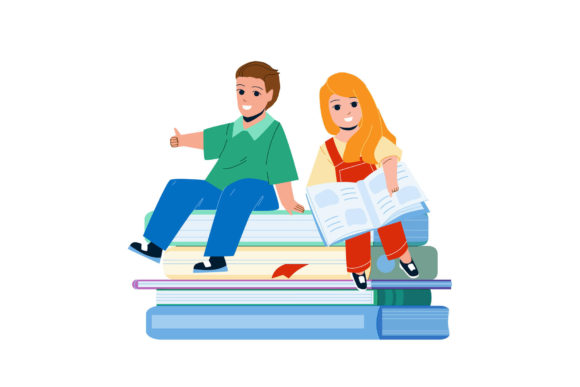
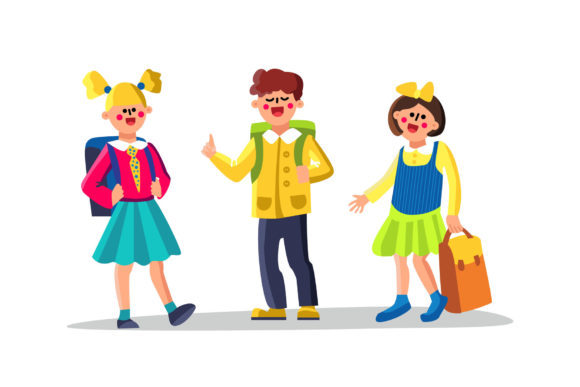
In the vibrant world of early childhood development, visual storytelling plays a pivotal role in shaping how we perceive learning. The concept of Preschool Education and Courses Children extends far beyond traditional classroom settings; it encompasses a holistic approach to nurturing young minds through engaging, accessible, and visually appealing content. When we look at assets like the "Boy And Girl With Backpack Learning Preschool Education" illustration, we are not just seeing cute characters. We are witnessing a powerful communication tool that bridges the gap between educational intent and child-friendly engagement.
For designers, educators, and marketers, understanding the nuances of these visual elements is crucial. The flat cartoon style, featuring kids getting ready to study, serves as a universal language. It signals safety, fun, and readiness. This article explores how you can leverage such illustrations across various formats—JPG, EPS, AI, PSD, and PNG—to create impactful educational materials that resonate with both children and their guardians.
The Power of Visuals in Early Learning
Children are visual learners. Before they can read complex texts, they interpret the world through images, colors, and shapes. A well-crafted illustration of a boy and girl with backpacks does more than decorate a page; it sets the emotional tone for the learning experience. It suggests adventure, companionship, and the excitement of discovery.
When developing Preschool Education and Courses Children materials, the choice of imagery dictates the user experience. Flat cartoon illustrations are particularly effective because they reduce cognitive load. Unlike photorealistic images, which can be cluttered with unnecessary details, flat designs focus on essential elements. This clarity helps young learners focus on the core message, whether it is learning the alphabet, understanding social cues, or preparing for their first day of school.
Moreover, these visuals foster inclusivity. By depicting diverse characters, such as a boy and a girl together, we promote gender equality and social interaction from an early age. This subtle messaging is vital in modern educational contexts, where fostering empathy and cooperation is as important as academic achievement.
Versatility Across Digital and Print Formats
One of the greatest strengths of high-quality vector illustrations is their adaptability. Whether you are creating a mobile app interface or a large-format banner for a preschool enrollment drive, the source file format determines your flexibility and final output quality.
- AI and EPS: These vector formats are indispensable for professional designers. They allow for infinite scalability without loss of quality. If you need to resize the "Boy And Girl With Backpack" character for a tiny app icon or a massive billboard, AI and EPS files ensure crisp edges and clean lines. They are also editable, meaning you can change colors to match specific brand guidelines or seasonal themes.
- PSD: Photoshop files offer layer-based editing, which is perfect for composite designs. You might want to place the children against a custom classroom background or add texture effects. PSD formats give you control over every element, allowing for deep customization while maintaining the original artistic integrity.
- PNG: For web developers and digital marketers, PNGs with transparent backgrounds are gold. They allow seamless integration into websites, emails, and social media posts without awkward white boxes around the characters. This format is ideal for quick implementation in learning management systems (LMS) or blog headers.
- JPG: While less flexible due to compression and lack of transparency, JPGs are universally compatible and lightweight. They are suitable for quick previews, internal documents, or platforms where file size is a critical constraint.
Understanding these technical distinctions ensures that your Preschool Education and Courses Children projects remain professional and polished, regardless of the medium.
Creative Applications for Educators and Marketers
The utility of these illustrations stretches across multiple disciplines. Here is how different professionals can apply these assets to meet their specific goals.
For Curriculum Designers
Educators can use these characters as consistent mascots throughout a course module. Imagine a math worksheet where the boy helps count apples, followed by a reading exercise where the girl reads a story. This continuity creates a friendly guide for the child, reducing anxiety and increasing engagement. You can create series of actions: packing bags, raising hands, or sharing toys. These scenarios teach behavioral norms alongside academic content.
For Marketing Professionals
Preschools and educational startups need to appeal to parents who are often anxious about their child’s transition to school. Using warm, inviting illustrations of happy children with backpacks can alleviate this fear. Use these images in email newsletters, landing pages, and brochures to convey a message of care and professionalism. A well-placed image can increase conversion rates by making the institution feel welcoming and child-centric.
For App Developers
In gamified learning apps, character consistency is key. Using vector assets allows you to animate the boy and girl easily. They can wave hello, jump for joy when a level is completed, or look thoughtful when solving a puzzle. These micro-interactions enhance user retention and make the learning process feel like play.
Maintaining Consistency and Originality
While using stock illustrations is efficient, avoiding a generic look is essential. To keep your Preschool Education and Courses Children content fresh and original, consider customizing the base assets. Change the color palette to reflect your brand identity. Add unique accessories or backgrounds that relate to your specific curriculum theme, such as science labs, art studios, or outdoor playgrounds.
Consistency in style is equally important. If you choose a flat cartoon style, stick to it across all materials. Mixing realistic photos with flat vectors can create visual dissonance that confuses young users. Ensure that line weights, color saturation, and character proportions remain uniform. This attention to detail builds trust and recognition among your audience.
Best Practices for Implementation
To maximize the impact of your visual content, follow these practical recommendations:
- Prioritize Accessibility: Ensure there is sufficient contrast between the characters and the background. Avoid placing text directly over busy parts of the illustration. Use alt text for digital images to support screen readers.
- Keep It Simple: Do not overcrowd the design. Let the characters breathe. White space is a powerful tool that directs attention to the main subject and improves readability.
- Test with Your Audience: Before finalizing a major campaign or course module, show the designs to a small group of parents and children. Their feedback can reveal unexpected interpretations or preferences that refine your approach.
- Stay Updated: Trends in illustration evolve. While flat design is currently popular, staying aware of emerging styles ensures your content remains contemporary and appealing.
In conclusion, the integration of high-quality illustrations like the "Boy And Girl With Backpack Learning Preschool Education" vector is not merely an aesthetic choice. It is a strategic decision that enhances communication, engagement, and brand identity. By understanding the technical formats and creative possibilities, you can transform simple images into powerful educational tools. Whether you are designing a curriculum, marketing a school, or building an app, these visual elements serve as the bridge between complex educational goals and the innocent, curious minds of preschoolers. Embrace the creativity, respect the technical details, and let your designs inspire the next generation of learners.