The Enduring Allure of Feather Pen, Paper and Ink in Modern Design
In an era dominated by sleek touchscreens and instantaneous digital communication, there remains a profound appreciation for the tactile and visual weight of traditional writing instruments. The combination of a feather pen, paper and ink represents more than just historical artifacts; it symbolizes a deliberate, thoughtful approach to creation that resonates deeply with contemporary designers, educators, and storytellers. While the physical act of dipping a quill into an inkwell may seem archaic, the aesthetic language it generates is vibrant, versatile, and highly sought after in modern graphic design projects.
This exploration delves into why these classic elements continue to hold significant value in creative workflows. From the intricate details of a vintage manuscript to the bold strokes of calligraphy, the imagery associated with traditional writing tools offers a unique texture that digital fonts often struggle to replicate authentically. For professionals seeking to add depth, history, or a sense of personal touch to their work, understanding how to effectively utilize these assets is crucial.
Bridging History and Contemporary Aesthetics
The visual vocabulary of ancient writing tools carries inherent connotations of authority, wisdom, and artistry. When a designer incorporates a quill feather or an inkstand into a layout, they are not merely adding decoration; they are invoking a narrative of literature and history. This connection is particularly powerful in branding for industries such as education, publishing, and luxury goods, where trust and heritage are paramount.
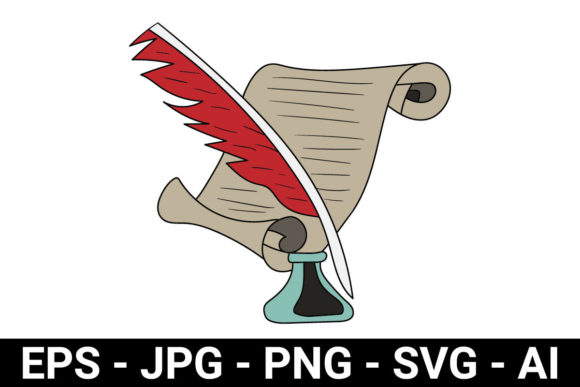
Consider the difference between a standard sans-serif logo and one that integrates a subtle doodle of a feather pen resting on a scroll. The latter immediately suggests craftsmanship and attention to detail. It evokes the image of a scholar or a poet carefully composing their thoughts, rather than a machine generating text. This emotional resonance is difficult to achieve with purely modernist design elements. The grunge texture of spilled ink or the uneven edge of aged paper adds a layer of organic imperfection that humanizes a brand, making it feel more accessible and authentic.
Furthermore, the concept of correspondence has evolved, but the desire for personalized communication remains. In wedding invitations, high-end stationery, and bespoke packaging, the imagery of a letter sealed with wax or written with a pen signals exclusivity. It transforms a simple message into a keepsake. Designers who master the integration of these retro elements can create experiences that feel intimate and special, standing out in a crowded marketplace of generic digital templates.
Technical Versatility for Design Projects
One of the most compelling reasons for the continued popularity of these motifs is their technical adaptability. Modern design resources often provide these elements in comprehensive packages, such as a Feather Pen, Paper and Ink perfect for design project ZIP folder that contains AI, EPS, SVG, PNG, JPG formats. This variety ensures that creators can use these assets across a wide spectrum of media without losing quality or flexibility.
- Vector Formats (AI, EPS, SVG): These files are essential for scalability. Whether designing a massive billboard or a tiny favicon, vector graphics of a quill or ink bottle remain crisp and editable. Designers can change colors, adjust stroke weights, and modify shapes to fit specific brand guidelines seamlessly.
- Raster Formats (PNG, JPG): High-resolution images are ideal for web use, social media graphics, and textured backgrounds. A PNG with a transparent background allows for easy layering of an ink splatter over photographs or solid colors, adding immediate visual interest without complex masking techniques.
The availability of these formats means that a single asset can serve multiple purposes within a cohesive campaign. A vector illustration of a manuscript might be used for a print brochure, while a JPG version of the same image, perhaps with added grunge effects, serves as a background for a website header. This efficiency reduces production time and ensures visual consistency across platforms.
Enhancing Educational and Literary Content
Educators and publishers frequently turn to these visual cues to reinforce subject matter. In textbooks, e-learning modules, and literary journals, illustrations of books, scrolls, and writing tools help contextualize content. They serve as visual anchors that guide the reader’s imagination, making abstract concepts more tangible. For instance, a history lesson on the Renaissance becomes more engaging when accompanied by artwork featuring antique inkwells and feathers, transporting the student back in time.
Moreover, these elements support the teaching of handwriting and calligraphy itself. Digital resources that mimic the flow of ink on paper can help students understand the mechanics of letter formation. By analyzing the drawing of a pen stroke in a vector file, learners can see the pressure points and directionality that define beautiful script. This intersection of art and education highlights the functional utility of these design assets beyond mere decoration.
Practical Applications in Branding and Marketing
For business owners and marketers, the strategic use of vintage writing imagery can differentiate a brand. It suggests a commitment to quality and tradition. Here are several practical ways to integrate these elements:
- Logo Design: Incorporating a stylized feather or pen nib into a logo can create a memorable icon. It works particularly well for law firms, consulting agencies, and literary organizations that want to project stability and intellect.
- Packaging Design: Using textures that resemble aged paper or ink stains on product packaging can elevate the perceived value of the item. It creates an unboxing experience that feels curated and thoughtful, appealing to consumers who appreciate artisanal qualities.
- Social Media Content: Quotes overlaid on backgrounds featuring manuscripts or ink pots perform well on platforms like Instagram and Pinterest. The aesthetic is inherently shareable because it appeals to lovers of poetry, literature, and art.
- Web Design: Subtle animations of ink spreading or a quill writing can add interactive flair to websites. These micro-interactions engage users and reinforce the brand’s narrative of creativity and precision.
It is important, however, to use these elements with restraint. Overloading a design with too many retro components can make it look cluttered or dated rather than classic. The key is balance. A single, well-placed illustration of an inkstand can have more impact than a page filled with doodles. Designers should consider the overall composition and ensure that the traditional elements complement rather than compete with the primary message.
The Emotional Resonance of Tangible Creativity
Beyond technical and marketing considerations, there is a deeper psychological appeal to the imagery of feather pen, paper and ink. In a fast-paced digital world, these symbols represent slowness, deliberation, and care. They remind us of the physical effort involved in creating something lasting. This resonates with audiences who are increasingly seeking meaning and authenticity in their consumption habits.
When a viewer sees an image of a sheet of paper with handwritten text, they subconsciously associate it with human presence. It suggests that a real person took the time to craft that message. This perception of effort builds trust and emotional connection. For creators, leveraging this sentiment can transform passive viewers into engaged community members. It invites them to slow down, reflect, and appreciate the nuance of the content being presented.
Furthermore, the aesthetic of grunge and antique textures allows for creative expression that feels raw and unfiltered. It breaks away from the sterile perfection of corporate design, offering a space for experimentation and individuality. Artists and hobbyists find freedom in these elements, using them to create artwork that is both visually striking and emotionally evocative. Whether it is a sketch of a bottle of ink or a complex vector pattern derived from calligraphy, these tools provide a rich palette for exploration.
Ultimately, the enduring relevance of feather pen, paper and ink in design lies in their ability to bridge the past and the present. They offer a timeless visual language that speaks to our shared human experience of communication and creation. By understanding their historical context, technical possibilities, and emotional impact, designers can harness their power to create work that is not only beautiful but also meaningful and resonant. As technology continues to advance, the appreciation for these classic elements will likely grow, serving as a reminder of the enduring value of handcrafted beauty in a digital age.