The Enduring Power of the Pencil Icon in Modern Digital Design
In the vast landscape of digital imagery, few symbols are as universally recognized and functionally versatile as the pencil icon. While it may appear at first glance to be a simple, flat representation of a traditional writing instrument, its role in user interface (UI) design, educational technology, and creative software is profound. This isolated object serves as a critical bridge between analog traditions and digital workflows, signaling action, creativity, and modification across countless platforms.
Whether rendered as a vector file for scalability or a PNG transparent background image for web integration, the pencil remains a cornerstone of visual communication. Its design evolution—from detailed graphite textures to minimalist outline styles—reflects broader trends in how we interact with technology. Understanding the nuances of this symbol is essential for designers, educators, and developers who aim to create intuitive and engaging digital experiences.
Visual Characteristics and Design Variations
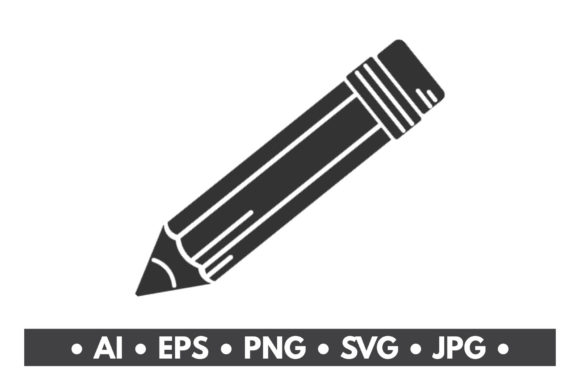
The aesthetic appeal of a pencil icon lies in its adaptability. Designers can manipulate various elements to suit specific brand identities or functional requirements. A high-quality illustration might feature a wood texture and a sharp tip, emphasizing precision and craftsmanship. In contrast, a flat design approach strips away these details, focusing on pure shapes and pastel or bold colors to ensure clarity at small sizes.
- Color Palette: While traditional pencils are often depicted with yellow bodies and pink erasers, modern interpretations use black, white, or brand-specific hues to maintain visual harmony within an app or website.
- Style: Options range from realistic 3D renders to simple contour lines. The choice depends on the surrounding design language; a playful school app might use a cartoonish style, while a professional office suite prefers a sleek, geometric look.
- Orientation: Most icons are positioned vertical or at a slight diagonal angle, mimicking the natural hand position during writing or drawing. This subtle cue reinforces the action associated with the icon.
When selecting assets, formats matter. An EPS 10 or AI file allows for infinite scaling without loss of quality, making it ideal for large-scale prints or responsive web designs. Conversely, an SVG format is perfect for code-based implementations, offering lightweight performance and easy styling via CSS. For static uses, a JPG or PNG with a transparent background ensures the icon blends seamlessly into any background color or pattern.
Functional Roles in User Interface Design
Beyond its aesthetic value, the pencil serves as a powerful functional signifier. In UI/UX design, consistency is key, and the pencil has become the standard sign for editing and creating. When a user sees this instrument, they immediately understand that they can modify content, add notes, or start a new project. This instant recognition reduces cognitive load, allowing users to navigate complex systems with ease.
Consider a content management system where a blogger needs to update an article. The presence of a pencil icon next to the title clearly indicates the "Edit" function. Similarly, in note-taking apps, a large, prominent pencil button invites the student or professional to begin learning or documenting ideas. This universal language transcends cultural barriers, making it an invaluable tool for global applications.
Moreover, the pencil is not limited to text. In graphic design software, it often represents freehand drawing tools, distinguishing itself from shape tools or selection cursors. This duality—representing both textual write actions and artistic draw actions—highlights its versatility. It embodies the concept of creativity in its broadest sense, whether one is crafting a sentence or sketching a logo.
Educational and Professional Applications
The relevance of the pencil extends deeply into the realms of education and professional work. In online learning environments, the pencil symbol is frequently used to denote assignments, quizzes, or interactive exercises. It evokes the traditional classroom experience, providing a sense of familiarity and comfort to students transitioning to digital platforms. Teachers use it to mark up submissions, providing feedback in a way that feels personal and direct, much like red-pen corrections on paper.
In the corporate world, the pencil is synonymous with productivity. Project management tools utilize it to indicate task updates, while collaborative documents use it to show active editing states. The equipment of the modern office is largely digital, yet the metaphor of the pencil persists because it effectively communicates the act of contribution. It suggests that the document is not static but a living file open to improvement and refinement.
- Annotation: Users can highlight and comment on PDFs or images, using the pencil tool to draw attention to specific details.
- Brainstorming: Digital whiteboards rely heavily on pencil icons to enable freeform ideation sessions, fostering creative collaboration among remote teams.
- Signature Capture: In legal and administrative workflows, the pencil often initiates the process of signing a document digitally, bridging the gap between physical authorization and electronic records.
Technical Considerations for Implementation
For developers and designers integrating a pencil icon into their projects, technical precision is crucial. The goal is to maintain clarity across all devices and screen resolutions. Using vector graphics is highly recommended because they remain sharp regardless of zoom level. An SVG file, for instance, can be styled with code to change color on hover, providing immediate visual feedback to the user.
Accessibility is another critical factor. The icon should never stand alone without context. Screen readers need alternative text to describe the image accurately. Instead of just labeling it "pencil," it should be described by its function, such as "Edit post" or "Create new note." This ensures that users with visual impairments can navigate the interface effectively. Additionally, the contrast between the icon and its background must meet accessibility standards to ensure visibility for all users.
File size optimization is also important for web performance. While a high-resolution JPG might look good, it can slow down page load times. A well-optimized PNG transparent background or an inline SVG is often a better choice for web use, balancing quality with speed. For print materials, however, a high-density EPS 10 or AI file ensures that the lead and wood details remain crisp and professional.
The Symbolism of Creativity and Simplicity
At its core, the pencil represents potential. It is the starting point of every great idea, from a child’s first drawing to an architect’s blueprint. In a digital age dominated by complex software and automated processes, the pencil icon reminds us of the human element—the writer, the artist, the thinker. It celebrates the act of creation in its most plain and pure form.
This symbolism makes it a powerful marketing asset as well. Brands that want to convey simplicity, ease of use, or artistic freedom often incorporate pencil imagery into their logos or promotional materials. It suggests that their product is a tool that empowers the user, rather than complicating their workflow. The large, bold strokes of a stylized pencil can convey confidence, while a delicate, thin outline might suggest precision and elegance.
Ultimately, the pencil icon is more than just a graphic element; it is a cultural artifact adapted for the digital age. Its enduring presence in our screens confirms that while technology changes, the fundamental human desire to create, communicate, and learn remains constant. Whether you are designing a new app, teaching a class, or organizing your business files, choosing the right pencil asset can enhance usability and resonate with your audience on a deeper level.
As you explore resources for your next project, consider the specific needs of your users. Do they need a playful, colorful illustration or a serious, monochrome symbol? By understanding the diverse applications and technical requirements of this classic subject, you can make informed decisions that elevate your design and improve user engagement. Happy shopping 🙂.